
Revolutionizing Food Safety with Digital Tools
Food safety is a critical concern for everyone involved in the food supply chain. From manufacturers to suppliers, ensuring that food products are safe to consume is not just a regulatory requirement but a moral obligation. Over the years, traditional methods of monitoring and managing food safety have evolved significantly. Today, digital food safety tools are transforming how we approach food safety, making processes more efficient, transparent, and reliable.
In this post, I will share practical insights into how digital tools are revolutionizing food safety. I will explain the benefits, provide examples, and offer actionable recommendations to help you leverage these technologies effectively.
Understanding Digital Food Safety Tools
Digital food safety tools refer to software, hardware, and integrated systems designed to monitor, manage, and improve food safety processes. These tools use data, automation, and connectivity to replace or enhance manual methods.
Some common types of digital food safety tools include:
Temperature monitoring sensors that track storage and transport conditions in real-time.
Digital checklists and audits that streamline inspections and compliance reporting.
Traceability systems that track food products from farm to fork.
Data analytics platforms that identify risks and trends for proactive management.
By adopting these tools, food businesses can reduce human error, speed up decision-making, and maintain consistent safety standards.
How Digital Food Safety Tools Improve Compliance and Efficiency
One of the biggest challenges in food safety is maintaining compliance with strict regulations. Digital tools simplify this by automating record-keeping and providing real-time alerts when conditions deviate from safety standards.
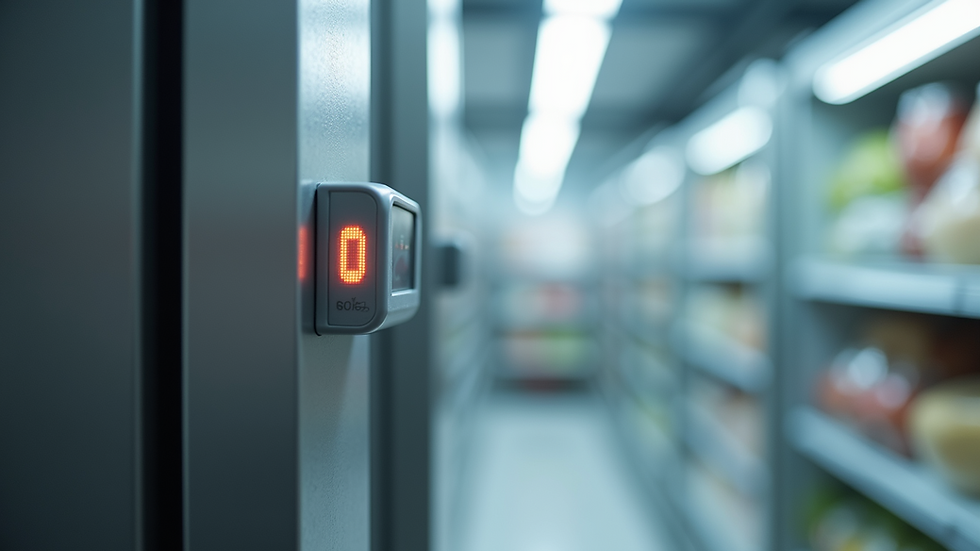
For example, temperature sensors connected to cloud platforms can send instant notifications if a refrigerator’s temperature rises above safe limits. This allows immediate corrective action, preventing spoilage or contamination.
Digital audit tools also help by:
Allowing inspectors to complete checklists on tablets or smartphones.
Automatically generating reports that highlight non-compliance issues.
Scheduling reminders for routine inspections and maintenance.
These features save time and reduce paperwork, freeing up staff to focus on other critical tasks.
Moreover, traceability systems enable quick identification of contamination sources during recalls. By scanning barcodes or QR codes, businesses can track the journey of a product through the supply chain, minimizing the impact of food safety incidents.
Practical Examples of Digital Food Safety Tools in Action
Let me share some real-world examples to illustrate how digital tools are making a difference:
Smart Sensors in Cold Storage
A food processing plant installed wireless temperature sensors in all cold storage units. The sensors continuously monitor temperatures and send data to a central dashboard. When a unit’s temperature rises unexpectedly, the system alerts the manager via SMS. This early warning prevented spoilage of thousands of dollars worth of products.
Mobile Audit Apps for Inspections
A supplier uses a mobile app to conduct daily hygiene inspections. The app includes checklists tailored to their facility and automatically timestamps and geotags each inspection. Reports are instantly shared with the quality team, enabling faster response to any issues.
Blockchain for Traceability
A manufacturer partnered with a blockchain platform to track raw materials from farms to factories. This transparent system builds consumer trust by providing verifiable information about product origins and safety certifications.
These examples show how digital tools can be customized to fit different parts of the food supply chain, improving safety and operational efficiency.

Choosing the Right Digital Food Safety Tools for Your Business
Selecting the right tools depends on your specific needs, scale, and budget. Here are some steps to guide your decision:
Assess Your Current Processes
Identify pain points and areas where manual methods cause delays or errors. For example, if temperature monitoring is done manually, consider automated sensors.
Set Clear Objectives
Decide what you want to achieve with digital tools. Is it better compliance, faster audits, improved traceability, or all of these?
Research Available Solutions
Look for tools that integrate well with your existing systems and offer user-friendly interfaces. Check for industry certifications and customer reviews.
Pilot and Train
Start with a pilot program to test the tool’s effectiveness. Train your staff thoroughly to ensure smooth adoption.
Monitor and Improve
Use data from digital tools to continuously improve your food safety processes.
Remember, digital transformation is a journey. Start small, learn, and scale up gradually.
The Role of Platforms Like food assure in Enhancing Food Safety
Platforms such as food assure play a vital role in supporting food businesses with comprehensive food safety solutions. They offer:
Access to expert guidance and training.
Tools for managing certifications and compliance.
Resources for risk assessment and incident management.
By partnering with such platforms, businesses can stay updated on best practices and regulatory changes, ensuring they maintain top-tier food safety standards.

Embracing the Future of Food Safety
Digital food safety tools are not just a trend - they are the future. As technology advances, we can expect even more sophisticated solutions like AI-powered risk prediction, IoT-enabled smart kitchens, and blockchain-based supply chains.
To stay competitive and protect consumers, food businesses must embrace these innovations. Start by exploring simple digital tools and gradually build a robust digital food safety system.
By doing so, you will not only improve safety and compliance but also enhance operational efficiency and build trust with customers.
Digital tools are transforming food safety from a reactive task into a proactive strategy. With the right approach, you can revolutionize your food safety practices and contribute to a safer food supply worldwide.




Comments